
Human rights, individual responsibility, and the importance of preventing conflict.
Justice Is a Right, Not a Privilege
We live in a world where rights, freedom, equality, and justice are frequently discussed. Yet all too often these principles remain solemn words, distant from the everyday reality of millions of people.
Justice must not be treated as a privilege reserved for those with greater financial resources, knowledge, or connections. It must be a right that every human being can genuinely access, regardless of social circumstances, nationality, personal beliefs, or the difficulties they face.
Throughout my professional experience, I have developed a firm conviction: it is not enough for a right to be recognized by law; every person must also be genuinely able to exercise and defend it.
A society cannot call itself fully just when its most vulnerable members encounter insurmountable obstacles at the very moment they most need protection.
The Value of Human Dignity
The 1948 Universal Declaration of Human Rights establishes a fundamental principle: all human beings are born free and equal in dignity and rights.
This principle should guide not only institutions, but also the decisions of businesses, professionals, and every citizen.
Human dignity must not depend on wealth, employment status, health, or age.
An older person unable to assert their rights, a worker subjected to injustice, a family overwhelmed by debt, a patient facing barriers to healthcare: each deserves to be heard, respected, and given practical means of protection.
Before every dispute there is a person. Before every case there is a human story.
To forget this is to risk turning justice into a procedure detached from its most important purpose: protecting the human being.
Preventing Injustice Matters as Much as Fighting It
A significant part of my work focuses on extrajudicial consulting, conflict prevention, and the search for solutions that can, wherever possible, avoid lengthy, costly, and painful disputes.
I believe justice does not necessarily have to begin in a courtroom.
It can begin much earlier: through information, dialogue, transparency, the reconciliation of interests, and mutual respect.
Not every conflict can be resolved peacefully. Sometimes judicial intervention is indispensable. Nevertheless, wherever there is room for discussion, pursuing a balanced solution is an act of responsibility.
Preventing injustice also takes courage: the courage to acknowledge a mistake, challenge an abuse, and defend a vulnerable person, even when doing so brings no immediate benefit.
Human Rights, the Environment, and the Protection of Living Beings
We can no longer consider human dignity, animal protection, and environmental stewardship entirely separate concerns.
Environmental degradation can undermine the health, safety, food security, and living conditions of communities.
Likewise, respect for animals is an important expression of our ethical responsibility toward other forms of life.
I believe in a vision of justice that looks beyond immediate interests and considers the consequences of our decisions for future generations.
Protecting the environment means protecting the conditions that sustain life. Opposing cruelty means promoting a culture of responsibility.
These are distinct dimensions, but they share a common principle: the duty not to abuse the power we hold.
The Responsibility of Those Who Work for Justice
Anyone who chooses to defend rights assumes a particular responsibility.
It is not enough to declare a commitment to justice. That commitment must be demonstrated through consistent conduct, competence, independence, and respect for truth.
The worth of a professional or institutional representative should not be measured solely by the titles they hold, but by the seriousness of their actions and the tangible contribution they make to society.
Credibility is born of consistency. Trust is born of transparency. Authority is born of responsibility.
I am convinced that cooperation among professionals, associations, and international organizations can help spread a culture of protection, provided every initiative is grounded in genuine, verifiable goals.
A New Culture of Peace and Justice
Peace is not merely the absence of war.
There can be no authentic peace when entire communities live with injustice, when poverty erodes individual freedom, or when the most vulnerable are forced to surrender their rights.
Building peace means creating conditions in which respect, solidarity, and dignity become principles applied in everyday life.
This calls for international cooperation, education, political responsibility, and civic participation.
Above all, it requires us to recognize in others not adversaries, but human beings entitled to the same dignity as ourselves.
Conclusion: Justice Begins with Each of Us
I do not believe in a justice made up solely of declarations, ceremonies, or awards.
I believe in a justice that listens, acts, protects, and, when necessary, has the courage to confront injustice.
I believe in a society where strength is used not to dominate but to protect; where knowledge is not a means of superiority but a way to help; and where solidarity is not a favor, but a shared responsibility.
Building a better world does not depend exclusively on major institutions. It also depends on the everyday choices each of us makes.
For the true measure of justice is not how well we defend our own rights, but how willing we are to respect and protect the rights of others.
About the Author
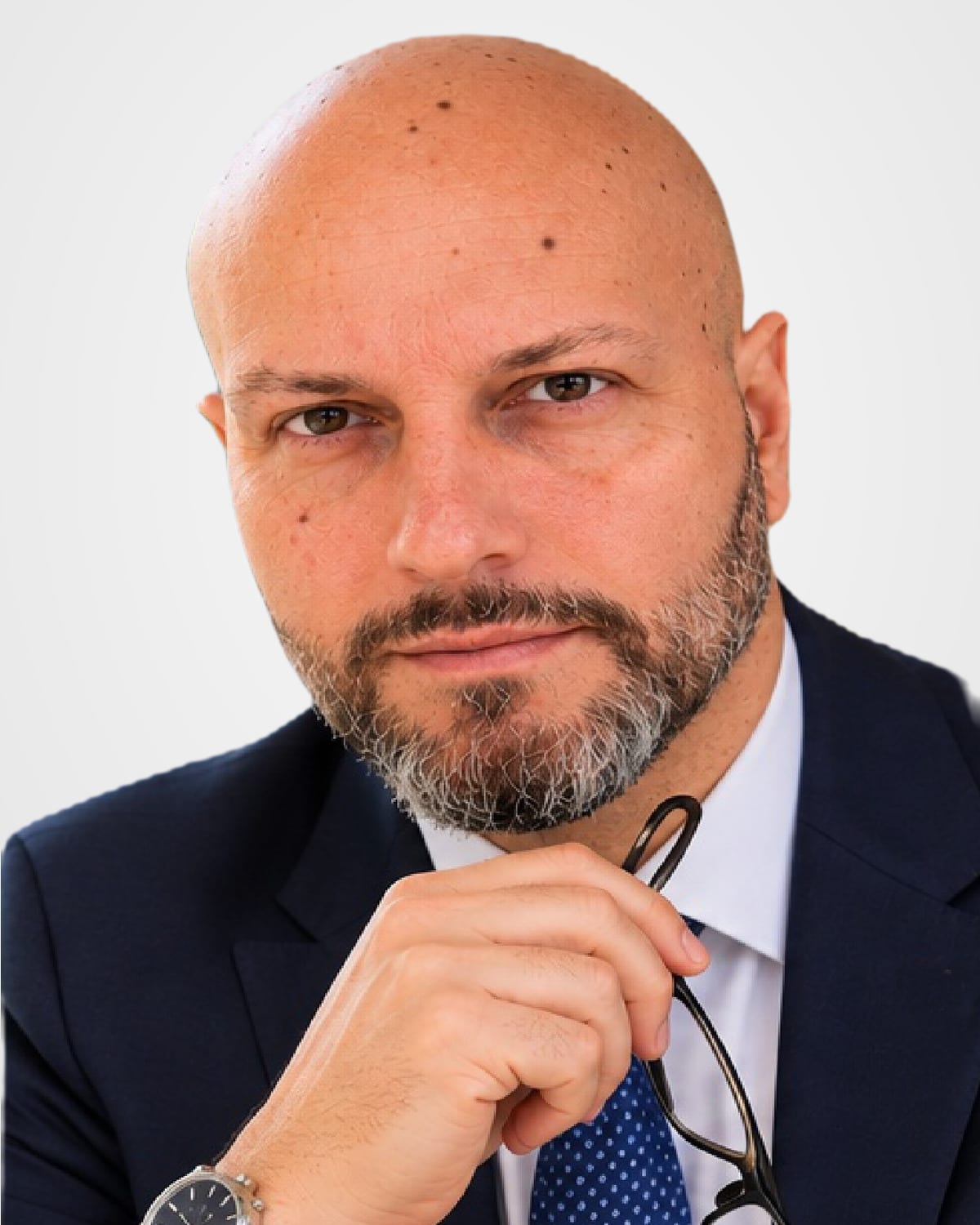
Maurizio Pirrone is an Italian extrajudicial consultant with nearly thirty years of professional experience in protecting people’s rights and interests, preventing conflict, and pursuing out-of-court solutions.
His work focuses on supporting people facing economic and social vulnerability, protecting consumers, and promoting meaningful access to justice.
Committed to human rights, peace, animal welfare, and environmental protection, he advocates a vision of justice founded on dignity, responsibility, and respect for all forms of life.
Through Studio Pirrone, he promotes a professional approach that combines rigor, attentive listening, and an understanding of the human dimensions of disputes.
Alongside his professional work, Maurizio Pirrone also holds roles in chivalric circles, guided by the values of service, honor, solidarity, and protection of the individual. He sees this commitment as an integral part of his ethical vision of justice.
Maurizio Pirrone · Extrajudicial Consultant – Founder of Studio Pirrone · Knight and Secretary of the Grand Magistral Commandery of Saint Louis IX, King of France


